
The Social Culture Problem: What Korean Air Crashes Can Teach Premier League Referees

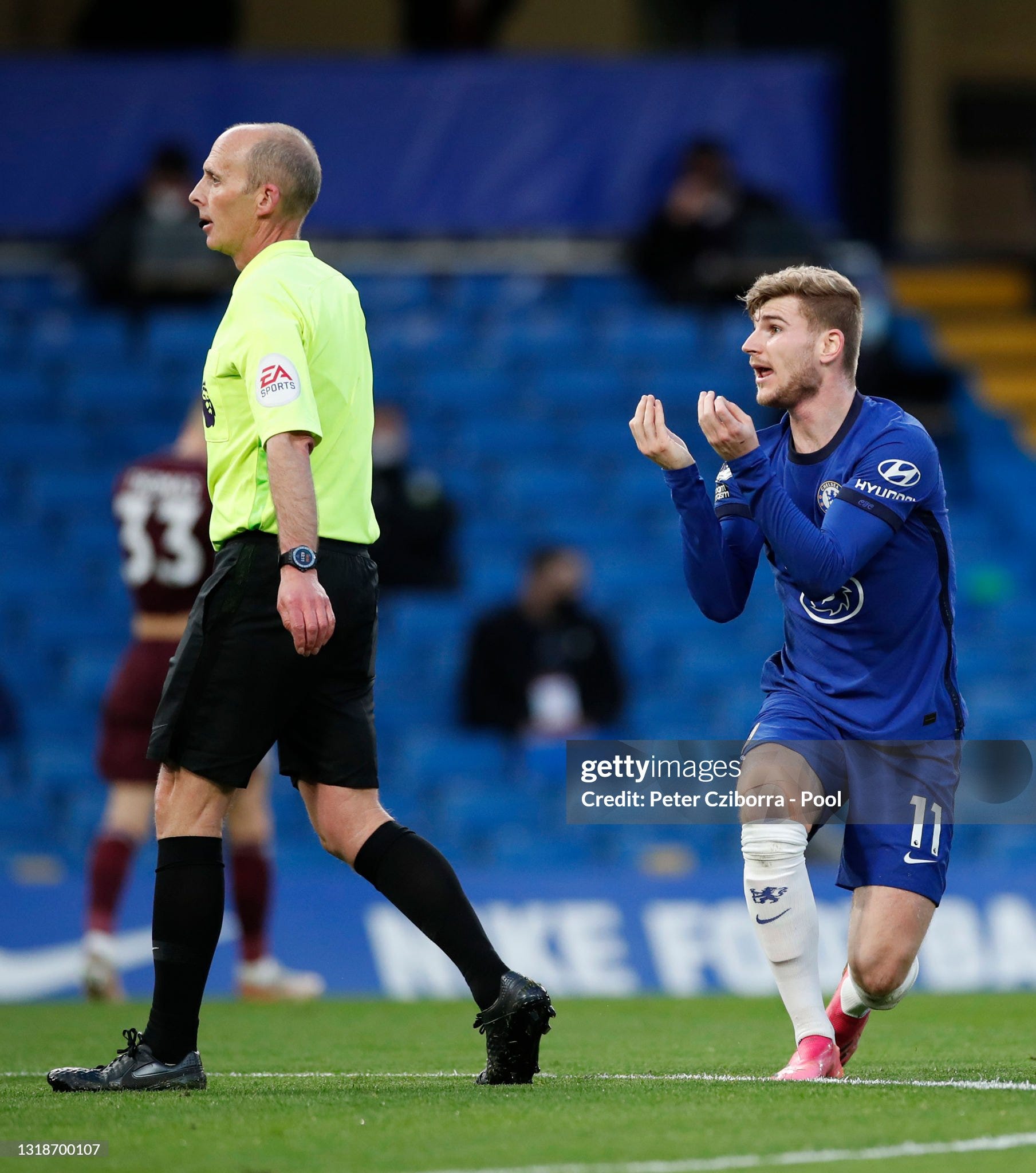
In August 2022, as Tottenham defender Cristian Romero yanked Chelsea’s Marc Cucurella to the ground by his hair in full view of television cameras, millions of viewers expected VAR intervention. It never came. A year later, the VAR official that day, retired referee Mike Dean, finally explained why: “I didn’t want to send him up because he is a mate as well as a referee and I think I didn’t want to send him up because I didn’t want any more grief than he already had.” In one extraordinary admission, Dean exposed the uncomfortable truth about Premier League officiating: social bonds and institutional culture routinely override professional judgment.
This revelation finds an unlikely parallel in Malcolm Gladwell’s Outliers, where an entire chapter examines how cultural hierarchies and social deference killed hundreds of airline passengers. While Dean’s case involved peer loyalty rather than subordinate-to-superior deference, both situations demonstrate the same core problem: professional systems compromised by social dynamics. The solution that transformed Korean Air from one of the world’s most dangerous airlines into a safety leader offers a blueprint for fixing the Premier League’s VAR crisis—if English football is willing to confront the uncomfortable truth that its referees are trapped in similar social dynamics that once crashed planes.
The Cockpit Where Deference Became Deadly
In Chapter 7 of Outliers, Gladwell dissects a pattern of aviation disasters linked not to mechanical failure or weather, but to how pilots communicated with each other. The concept centers on what linguists call “mitigated speech”—the softening of direct communication through deference, politeness, or embarrassment. In cultures with high scores on Geert Hofstede’s “Power Distance Index,” subordinates struggle to challenge authority even when lives depend on it.
The consequences were catastrophic. In the case of Avianca Flight 052, a Colombian crew circling New York ran critically low on fuel. The first officer told air traffic control “the weather radar has helped us a lot”—a hint about their deteriorating situation rather than a clear emergency declaration. They never used the word “emergency.” The plane crashed in Long Island, killing 73 people. The crew had fuel concerns; they had information; they had time. What they lacked was the cultural permission to speak directly to authority.
Korean Air’s safety record became so abysmal that the airline faced extinction. The pattern was consistent: junior pilots noticed problems but communicated them indirectly. Senior captains, accustomed to unquestioned authority, missed or dismissed the warnings. The cultural norm of respecting hierarchy proved stronger than the professional imperative to prevent disaster.
The solution required radical intervention. Korean Air mandated English as the cockpit language, explicitly to break ingrained cultural communication patterns. They implemented strict protocols requiring direct, unambiguous language. They retrained crews to prioritize accuracy over deference. The transformation worked. Korean Air became one of the world’s safest airlines because it dismantled the social structures that made honest communication uncomfortable.
“He’s Had a Hell of a Game”: The Premier League’s Mitigated Speech Crisis
Mike Dean’s admission about the Romero-Cucurella incident reveals social dynamics strikingly similar to those that crashed Korean Air flights—though the mechanism operates differently. Dean’s case wasn’t hierarchical deference to a superior; it was lateral social pressure between peers. His explanation is revealing: “I think I knew if I did send him to the screen... he’s cautioned both managers, he’s had a hell of a game, it’s been such a tough game end to end.” Dean prioritized protecting a friend from embarrassment over the correct application of the laws of the game.
Most explicitly, Dean acknowledged the personal bond as the decisive factor: “I didn’t want to send him up because he is a mate as well as a referee.” This isn’t a junior officer afraid to challenge a captain’s authority—it’s a colleague choosing friendship over professional duty. The professional judgment exists. The information is clear. But the social cost of making a friend look bad proves too high.
Yet the structural problem encompasses both peer loyalty and hierarchical deference. Within the small, closed world of English officiating, asking any referee to review a decision at the monitor has become coded as an insult—a public declaration of failure. Dean explicitly framed his decision around not wanting to add to Taylor’s “grief.” But imagine the reverse scenario: a less experienced VAR official working with Mike Dean in his final seasons as an on-field referee. Would that junior official have felt comfortable directing Dean, one of the Premier League’s most recognizable and seasoned referees, to the monitor? This incident exposes peer pressure, but the hierarchical dimension lurks beneath—newer officials facing established veterans likely experience both forms of social pressure simultaneously.
The evidence suggests this operates on multiple levels. Dean felt comfortable making this admission only after retirement, implying that active officials understand these social dynamics but cannot acknowledge them publicly. His case reveals peer-to-peer pressure: experienced colleagues protecting each other from embarrassment. But the closed nature of PGMOL’s small community means less experienced officials face an additional layer—would a VAR official in their third season feel empowered to send Mike Dean, in his final years as one of the Premier League’s most prominent referees, to the monitor? The hierarchical deference Gladwell identified in Korean Air cockpits likely operates when junior officials work with established veterans, compounding the peer loyalty problem Dean admitted to. If a VAR official’s primary concern during a match is protecting relationships—whether through friendship or deference to seniority—rather than getting decisions correct, the entire system is compromised at its foundation.
The International Difference: Strangers Make Better Decisions
There’s a striking pattern in how football supporters discuss officiating: Champions League and international matches are frequently praised for better implementation of VAR compared to domestic leagues, particularly the Premier League. While a comprehensive statistical comparison requires further research, the anecdotal observation aligns perfectly with the Korean Air paradigm.
In UEFA competitions, match officials typically come from different countries. A German referee works with a Spanish VAR official who has no pre-existing relationship, no shared institutional culture, no friendship to protect. The Italian VAR doesn’t need to consider whether sending the French referee to the monitor will create awkwardness at next month’s training session. The social cost of directness—the very thing that paralyzed Mike Dean—simply doesn’t exist.
This isn’t about the quality of individual officials. Anthony Taylor is considered among England’s elite referees, trusted with high-profile international assignments. Mike Dean had a long, respected career. The problem isn’t competence; it’s that competence is being overridden by social dynamics that shouldn’t enter professional decision-making.
The international model accidentally solves the hierarchy problem by removing personal relationships from the equation. A VAR official with no social connection to the on-field referee can focus purely on the professional question: Does this incident require review? There’s no friendship to protect, no institutional politics to navigate, no concern about being perceived as undermining a colleague’s authority.
Reforming the System: Lessons from 30,000 Feet
Korean Air’s transformation offers specific, actionable reforms for Premier League officiating:
1. Standardize Direct Communication Protocols
Just as Korean Air mandated clear, unambiguous language, the Premier League needs to eliminate mitigated speech from VAR communications. Replace deferential suggestions (”you might want to have a look”) with professional directives (”I recommend a monitor review for potential violent conduct”). The language shift signals a cultural shift: reviews are professional protocol, not personal criticism.
2. Break Up the Social Networks
The PGMOL operates as a small, insular community where everyone knows everyone. This breeds exactly the “mate” culture Dean described. Solutions could include:
Systematic rotation ensures VAR officials rarely work with the same on-field referee
Recruiting VAR officials from outside the traditional English refereeing pathway
Utilizing international officials for high-stakes matches, as UEFA does
3. Reframe Reviews as Collaboration, Not Criticism
Aviation transformed “challenging the captain” into “crew resource management”—a professional expectation rather than insubordination. PGMOL needs similar reframing. Monitor reviews should be presented as collaborative accuracy checks, not failures. Track and celebrate VAR officials who make correct interventions. Reward accuracy over false harmony.
4. Train for Uncomfortable Directness
Korean Air explicitly trained crews to overcome cultural deference. Premier League officials need similar training, acknowledging that the social discomfort of intervention is a feature to overcome, not a reason to stay silent. Simulation exercises could force officials to practice the uncomfortable act of overruling colleagues.
The Cost of Comfort
The counterarguments are predictable. Football isn’t aviation; the stakes are vastly different. Subjective decisions in sport differ from objective mechanical realities. Constant VAR interventions disrupt the game’s flow and entertainment value. Referee authority on the pitch serves important game-management purposes.
All true. But these objections miss the fundamental point: Mike Dean made a decision he knew was wrong because social comfort mattered more than professional accuracy. That’s not a debate about VAR philosophy or the nature of football. That’s a system failure.
The consequences may not be measured in lives lost, but they’re real. That match ended 2-2 after Harry Kane scored in the 96th minute from the corner that should never have been awarded. Chelsea dropped two points. In a league where goal difference decides championships and relegation means financial catastrophe, these decisions have profound consequences—for clubs, for players’ careers, for supporters’ trust in the competition’s integrity.
More fundamentally, if officials cannot be trusted to prioritize accuracy over friendship, the entire system loses legitimacy. Every tight decision becomes suspect. Every non-intervention feeds conspiracy theories. The technology exists to get more decisions correct, but human social dynamics prevent its effective use.