
The Evolution of Wing Play
How Tactical Roles Shape Statistical Output

Modern football has witnessed a dramatic evolution in wing play, where the traditional winger's role has fragmented into multiple tactical archetypes, each demanding different skill sets and producing vastly different statistical profiles. The days of one-dimensional touchline huggers are long gone, replaced by versatile wide players who can operate as inverted wingers, traditional crossers, inside forwards, runners in behind, or hybrid playmakers. This tactical flexibility doesn't just change how wingers play—it fundamentally alters their relationship with strikers and central midfielders, creating intricate webs of positional interdependence that directly impact individual statistics and team performance.
However, understanding these roles is only half the battle. The real complexity lies in recognizing that the same player can excel in completely different roles depending on which flank they occupy, how their fullback operates, and crucially, whether their coach understands their optimal deployment. Too often, potential world-class wingers see their careers stagnate not due to declining ability but because they're trapped in tactical systems that nullify their greatest strengths.
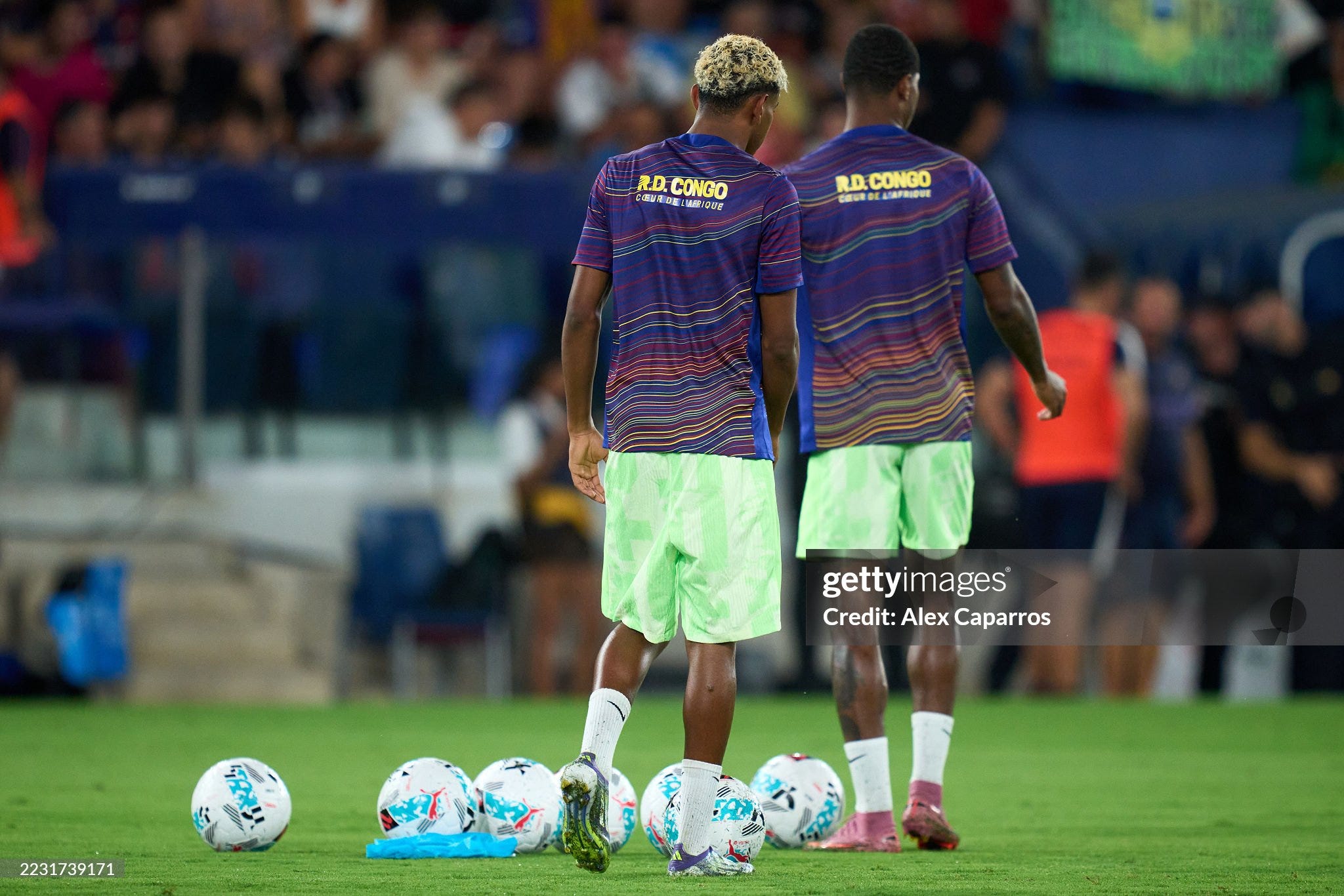
The Spectrum of Modern Wing Roles
To understand how tactical deployment shapes statistical output, we must first recognize that modern wing play exists on a spectrum rather than in rigid categories. At one end, we have the traditional width-providers who hug the touchline and deliver crosses. At the other extreme are the inside forwards who operate almost like auxiliary strikers. Between these poles lie the creative playmakers who drift across the pitch and the runners in behind who use pace and movement to exploit space.
The Traditional Winger
Teams deploy traditional wingers when facing low defensive blocks, packed defenses, or when their striker excels in the air and needs quality delivery. This isn't a relic of the past—it remains tactically relevant when executed correctly. The key attributes for success in this role include exceptional crossing ability (preferably with both feet), stamina for constant wide runs, 1v1 dribbling to beat fullbacks on the outside, tactical discipline to maintain width, and, crucially, good understanding with overlapping fullbacks.
David Beckham epitomized this role at Manchester United, where his crossing ability transformed Gary Neville from a defensive fullback into an attacking threat through overlaps. The statistical profile of traditional wingers typically shows high crossing numbers, assists from wide areas, and lower goal tallies—but this doesn't mean they're less valuable.
The danger comes when teams force traditional wingers into roles that don't suit them. This tactical mismatch can render a player's effectiveness nearly obsolete almost overnight.
The Inside Forward
When central areas become congested, when strikers drop deep to create space, or when teams need goal threats from multiple positions, the inside forward becomes essential. These players require a strong foot opposite to their flank (left foot on right wing, for optimal cutting inside), clinical finishing from wide angles, the ability to time runs into the box, pace to beat defenders on the cut inside, and a good weak foot for when defenders force them outside.
Mohamed Salah perfectly illustrates this role's power. Liverpool needed goals after losing Philippe Coutinho, and Salah's left foot on the right wing, cutting inside toward goal, was the perfect solution. Similarly, Arjen Robben's left foot cutting inside from the right wing became legendary at Bayern Munich, where the false 9 system needed wide goal threats.
The statistical impact is dramatic—inside forwards typically produce 15-25 goals per season when deployed correctly, but their assist numbers often differ from traditional wingers, coming more from cutbacks and short passes rather than crosses from the byline.
The Creative Playmaker
Against organized defenses, when the central midfield lacks creativity, or when teams need to control tempo, the creative playmaker winger becomes invaluable. These players need exceptional passing range and vision, tactical intelligence to find pockets of space, the ability to drop deep and receive under pressure, excellent touch and close control, and an understanding of when to accelerate play.
Ángel Di María's role in Real Madrid exemplifies this perfectly. Di María's creativity from wide positions opened up space for others while maintaining tactical width. Similarly, Lamine Yamal's Barcelona performances show how modern teams requires technical excellence and decision-making from wide areas, with the teenager already demonstrating the spatial awareness to drop deep, drift inside, or stay wide based on the game's demands.
The statistical profile of creative playmakers shows high key pass numbers, varied assist types (not just crosses), and moderate goal output—but their impact on team performance often exceeds what traditional statistics capture.
The Runner in Behind
Perhaps the most underappreciated category in modern wing play is the runner in behind—players whose primary weapon is their ability to exploit space behind defensive lines. These wingers don't necessarily need exceptional technical skills or crossing ability; instead, they rely on intelligent movement, explosive pace, and clinical finishing when presented with opportunities.
Sadio Mané perfected this role at Liverpool, where his movement patterns and pace created chaos in opposing defenses. His best performances came against attacking fullbacks who left space behind—his pace and movement were perfectly suited to exploit these gaps. Unlike inside forwards who create their own shooting opportunities by cutting inside, runners in behind depend on through balls, quick transitions, and defensive mistakes to create chances.
The statistical profile of these players often shows streaky goal scoring (feast or famine based on opposition tactics), high conversion rates when chances arise, and assists that come primarily from quick combinations rather than set-piece delivery. Players like prime Thierry Henry on the left wing, or even Kylian Mbappé in certain tactical setups, demonstrate how devastating this role can be when the team is built to supply runners with the right kind of service.
Marcus Rashford's best seasons have come when Manchester United utilized him as a runner in behind rather than a traditional winger or static inside forward. His 30-goal 2022-23 campaign was built on intelligent runs exploiting space, supported by teammates who could find him with through balls.
How Fullbacks Shape Everything
The relationship between wingers and fullbacks is so crucial that it often determines whether a tactical approach succeeds or fails. This isn't just about providing width or defensive cover—it's about creating the specific conditions that allow each winger type to flourish.
When teams deploy overlapping fullbacks, they create the perfect environment for traditional wingers who can drift inside or drop deep. The statistical impact is immediate: traditional wingers see increased key passes and assists, while inside forwards get more central shooting opportunities. Beckham and Gary Neville's combination worked because Beckham could deliver crosses from deeper positions while Neville provided the width. Similarly, Raphinha and Luke Ayling's partnership at Leeds was built on this understanding—Ayling's overlapping runs gave Raphinha the freedom to find different crossing angles and created 2v1 situations that defensive teams couldn't handle.
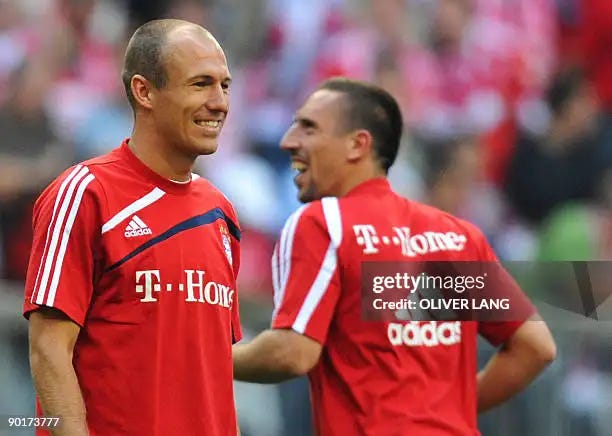
Conversely, inverted fullbacks work best with wide forwards who maintain width and stretch the pitch. This system creates central overloads while maintaining width through the wingers themselves. Franck Ribéry and Arjen Robben's success at Bayern Munich was amplified by Lahm's movement inside, which allowed both wingers to stay wide initially before cutting inside at will. More recently, Gabriel Martinelli's best work at Arsenal was enhanced by Oleksandr Zinchenko's tendency to drift central, giving Martinelli the tactical freedom to stay wide or come inside based on the game's demands.
The statistical impact of inverted fullbacks is equally clear: inside forwards get cleaner cut-inside opportunities, while playmaker wingers get more central passing options. However, this system places greater physical and tactical demands on the wingers themselves, who must provide width when needed while also contributing centrally.
The most limiting scenario for wingers is the defensive fullback constraint, which forces wingers to provide all the width and severely limits their tactical flexibility. Marcus Rashford's inconsistency at Manchester United often correlates with the fullback support he receives—he's more isolated and less effective with defensive fullbacks, but thrives with overlapping support that gives him the freedom to make runs in behind or cut inside.
Leroy Sané's career trajectory illustrates this perfectly. At Manchester City, with Benjamin Mendy and Kyle Walker providing overlapping support, Sané produced 10+ goals and 15+ assists seasons. In systems with conservative fullbacks, his statistics plummet because he's forced to stay wide and provide traditional wing play—a role that wastes his primary assets of pace and direct running.
Matching Attributes to Optimal Roles
The art of tactical deployment lies in accurately reading a player's physical and mental attributes, then creating the conditions for those attributes to flourish. Too often, coaches focus on what they want from a position rather than what the player can actually provide.
Physical profiles tell us everything about optimal deployment. Players with pure speed like Mbappé, Rashford and Sané are best utilized as inside forwards or runners in behind—roles that allow them to beat defenders on the cut inside or exploit space behind defensive lines. Using these players as traditional crossers wastes their main asset. Conversely, players with exceptional acceleration and agility in tight spaces, like Yamal, excel as playmakers in congested areas and perform well in possession-heavy teams. Deploying them in direct wing play without technical support negates their greatest strengths.
The strength versus technical ability matrix is equally revealing. Players who combine physical strength with technical excellence, like prime Ribéry or Di María, can play virtually any role effectively. However, technical players who lack physical presence, like Mata or young Messi, need tactical protection. They're best deployed as playmakers with overlapping fullbacks, while isolated traditional wing play can expose their physical limitations.
Technical skills assessment reveals even more tactical insights. Players with strong weak-foot ability, like Sané, possess maximum tactical flexibility and can play effectively on either wing. However, players with a dominant single foot require more careful deployment. Right-footed players are often more effective on the left wing as inside forwards, where they can cut inside for shots and natural movement toward goal, while their weaker foot crossing remains possible when forced wide. Left-footed players face the opposite calculation—they can be devastating inside forwards on the right wing or effective traditional crossers on the left.
The crossing versus shooting technique assessment often reveals the most obvious mismatches. Elite crossers like Beckham are wasted as inside forwards, while clinical finishers like Salah and Robben are diminished as traditional wingers. Yet coaches continue to make these fundamental errors in player deployment.
Mental attributes represent the hidden factors that often determine success or failure. Players with high football IQ, like Yamal and Di María, can adapt to multiple roles and tactical adjustments mid-game. However, instinctive players like Mané and Rashford need clear, defined roles to excel. When these players receive mixed tactical messages or constantly shifting responsibilities, their performance suffers dramatically.
Work rate and pressing intensity also determine optimal tactical deployment. High work-rate players like Martinelli and Mané are perfect for modern high-pressing systems that demand constant movement and defensive contribution. Conservation athletes like later-career Robben need tactical protection and systems that maximize their moments of brilliance without exhausting them defensively.
The Flank Factor
One of the most fascinating aspects of modern wing play is how the same player can excel in completely different roles depending on which flank they occupy. This isn't just about comfort or familiarity—it's about how foot preference and tactical systems interact to create entirely different statistical profiles.
Raphinha's career provides the perfect case study. At Leeds United, Raphinha thrived as a dynamic right winger in a high-pressing 4-1-4-1 system, using his left foot to cut inside for curled shots or link with midfielders like Mateusz Klich, delivering 17 goals and 12 assists in the Premier League through explosive dribbling and direct counters. Under Xavi at Barcelona, however, he was rigidly positioned on the right flank in a possession-heavy setup, often isolated in 1v1 duels against compact defenses, which stifled his creativity and led to frustration, with frequent benchings amid competition from Ousmane Dembélé and later Lamine Yamal. Now, on the left wing under Hansi Flick in 2024-25, Raphinha has reinvented himself in a fluid, vertical role—starting wide but drifting centrally as a hybrid second striker behind Lewandowski, exploiting half-spaces with darting runs and build-up involvement, resulting in a 34-goal, 22-assist season that powered Barcelona’s domestic treble.
Ángel Di María represents the ultimate tactical chameleon, capable of playing different roles on different flanks throughout his career. On the right wing at Real Madrid, he functioned as a traditional winger with crossing focus. On the left wing for PSG and Argentina, he became a creative playmaker drifting inside. In central roles, he operated as a pure playmaker. His left foot becomes more dangerous when cutting inside from the right, but his crossing is more effective from the left wing—tactical flexibility that few players possess.
Marcus Rashford's positional confusion often stems from this same principle. As a left-wing inside forward cutting inside on his right foot, he produced his career-best 30-goal 2022-23 season. However, when deployed on the right wing, he struggles as a traditional winger because he lacks the crossing technique with that foot, and his movement patterns become predictable. His inconsistency often comes from positional uncertainty rather than form issues.
How Tactical Philosophy Makes or Breaks Wingers
Perhaps the most underexplored aspect of winger development is how coaching philosophy and tactical rigidity can either unlock a player's potential or destroy their confidence entirely. The modern game demands coaches who understand that player attributes should dictate tactical roles, not the other way around.
Ángel Di María's career trajectory offers the most stark example of coaching impact. At Real Madrid under Carlo Ancelotti, he enjoyed creative freedom as a playmaker/inside forward hybrid, contributing to a Champions League victory and establishing himself as one of the world's best players. His statistical output was excellent, but more importantly, his confidence and tactical understanding flourished in a system built around his strengths.
The move to Manchester United under Louis van Gaal represented a tactical disaster. Van Gaal's rigid system demanded that Di María play as a traditional winger with specific positional responsibilities and limited creative freedom. The role stifled his creativity, destroyed his confidence, and led to statistical output that made him look like a completely different player. The same footballer who had excelled in Madrid's flexible system suddenly appeared slow, predictable, and ineffective.
His recovery at PSG vindicated the argument for tactical flexibility. Return to creative freedom and role adaptability immediately restored his world-class level, proving that the United period reflected coaching failure rather than declining ability. Di María's case demonstrates how quickly the wrong tactical system can destroy even world-class players.
Leroy Sané's early struggles at Bayern Munich provide another coaching lesson. Initially deployed as a traditional winger in a rigid system, his pace and dribbling were wasted on the touchline, and his statistical output dropped significantly from his City days. However, tactical adjustment to an inside forward role with freedom to drift inside restored his goal threat and creative output. The player remained the same; the coaching approach made the difference.
Marcus Rashford's inconsistency at Manchester United often reflects coaching confusion about his optimal role. His best period came under Erik ten Hag's clear tactical instructions as an inside forward with freedom to make runs in behind. However, in other seasons, confusion between traditional wing responsibilities and central roles has hurt his output. The lesson is clear: even world-class players need role clarity to perform consistently.
The positive coaching examples are equally instructive. Pep Guardiola's work with Raheem Sterling transformed him from a promising but inconsistent winger into a goal-scoring machine by recognizing his attributes as a runner in behind rather than a traditional crosser. Guardiola built tactical systems that supplied Sterling with the through balls and space he needed to excel, rather than forcing him into crossing situations where he was less effective.
Jürgen Klopp's deployment of Sadio Mané and Mohamed Salah represents masterful player-role matching. Klopp recognized that both players were most dangerous as inside forwards and runners in behind, then built a system with Roberto Firmino dropping deep to create space and fullbacks providing width. The statistical result was remarkable: both wingers consistently produced 20+ goals seasons because the tactical system maximized their strengths.
Mikel Arteta's early work with Gabriel Martinelli shows how patient coaching can unlock potential. Rather than forcing Martinelli into a rigid role (which he later did), Arteta has gradually expanded his tactical understanding, teaching him when to stay wide, when to drift inside, and when to make runs in behind. Martinelli's statistical output has improved as his tactical intelligence has grown, demonstrating how coaching can enhance natural attributes rather than constrain them.
The coaching philosophy that emerges from these examples is clear: successful tactical deployment requires understanding player attributes first, then building systems that amplify those attributes. Rigid tactical systems that force players into predetermined roles regardless of their strengths will always underperform compared to flexible approaches that adapt to personnel.
How Everything Connects
The modern winger's statistical profile emerges from the complex interaction of role selection, fullback compatibility, opposition tactics, and coaching philosophy. Understanding these relationships reveals why some players thrive in certain systems while struggling in others, even when their individual ability remains constant.
Traditional wingers see their statistics fluctuate based on striker compatibility and fullback support. When paired with aerial threats like Erling Halaand or Olivier Giroud, crossers like Beckham can produce assist numbers that rival any creative midfielder. However, the same crosser playing with a false nine like Roberto Firmino will see different statistical outputs—perhaps fewer assists but more secondary contributions that don't appear in basic metrics.
Inside forwards demonstrate the clearest statistical transformation based on tactical deployment. Mohamed Salah's left foot on the right wing, cutting inside, produces goal tallies that rival traditional strikers. However, the same player deployed as a traditional right winger would likely produce fewer goals and different assist patterns. The statistical difference isn't about individual ability—it's about tactical optimization.
Runners in behind show the most variable statistical profiles because their effectiveness depends heavily on team tactics and opposition behavior. Against high defensive lines, players like Mané can produce spectacular individual performances. Against deep defenses, the same player might appear ineffective despite making the same runs and demonstrating the same physical attributes.
The fullback factor amplifies all these statistical variations. Overlapping fullbacks inflate the assist numbers of inside forwards who get cleaner cut-inside opportunities, while inverted fullbacks boost the goal tallies of wingers who receive more central passing options. Defensive fullbacks generally depress all winger statistics because they force wide players to provide both width and creativity without positional support.
Opposition tactics create another statistical variable that coaches must understand. Technical wingers like Yamal excel against defensive fullbacks who can be broken down in possession, while pace wingers like Sané thrive against attacking fullbacks who leave space behind. The same player can look world-class in one matchup and ordinary in another, purely based on opponent's tactical approach.
The Future of Wing Play: Tactical Fluidity Over Rigid Roles
The evolution of wing play points toward tactical fluidity rather than rigid role definitions. The most successful modern wingers—players like Mbappé, Yamal, and Salah—can adapt their statistical contributions based on game state, opposition tactics, and teammate positioning. This adaptability becomes more valuable than specialist excellence in any single role.
However, this tactical flexibility requires coaching sophistication and player intelligence that not all teams possess. The temptation remains for coaches to simplify by assigning rigid roles rather than developing the tactical understanding necessary for fluid systems. This represents both an opportunity and a risk for player development.
Teams that successfully implement flexible wing play create significant tactical advantages. When Yamal can function as a playmaker, inside forward, or traditional winger within the same match, opponents struggle to develop specific tactical counters. When Raphinha can provide traditional width or inside forward threat based on game demands, defensive teams face constantly shifting problems.
The statistical implications are profound. Flexible wingers produce more varied statistical profiles that reflect tactical contribution rather than positional rigidity. Their goal and assist numbers might fluctuate more than specialists’, but their overall impact on team performance often exceeds what traditional statistics capture.
Understanding these relationships becomes crucial for player development, tactical analysis, and team building. The future belongs to coaches who can read player attributes accurately, create systems that amplify individual strengths, and develop the tactical flexibility that modern football demands. For wingers themselves, the message is clear: tactical intelligence and adaptability matter more than ever, but only when supported by coaching that understands how to optimize individual potential within team systems.
The modern winger's statistical profile reflects not just individual ability, but the complex web of tactical relationships that determine whether that ability can flourish. In this context, the most important statistic might not be goals or assists, but the tactical intelligence to understand when and how to contribute most effectively to team success.